What is Reverse Logistics, and Why is it Important?
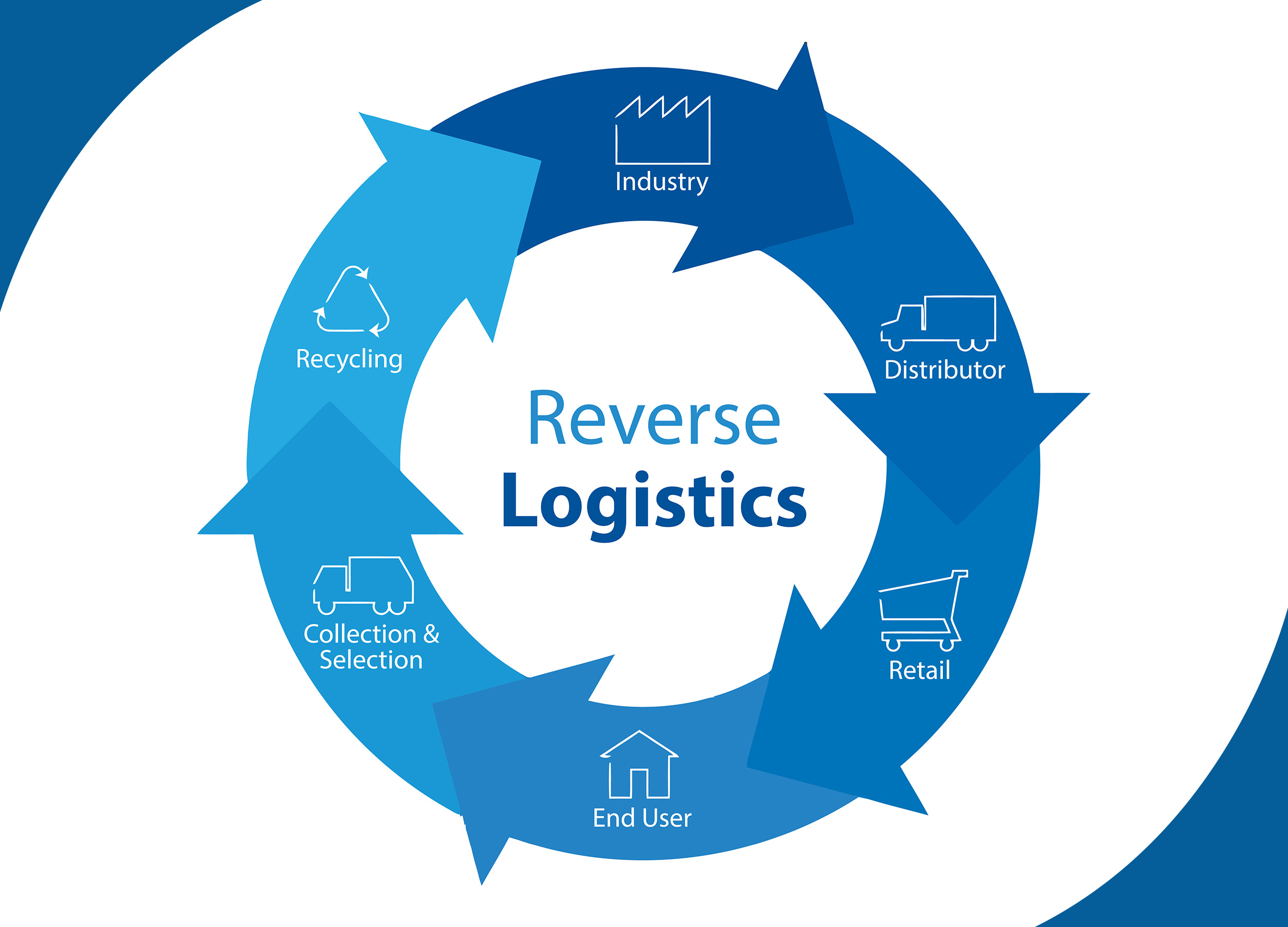
Today, businesses face many challenges that push them to adopt sustainable practices. These practices reduce environmental impact and improve efficiency. A key part of this change is reverse logistics. Reverse logistics is important in today’s supply chain. A logistics institute in Kerala can help professionals learn and apply these strategies effectively. What is Reverse Logistics? Reverse logistics refers to the process of coordinating, performing, and managing the flow of products, materials, and goods back to their source from a consumer. This is contrasted with traditional logistics, whereby products are sent from the manufacturer to the consumer, which means order fulfillment. Reverse logistics majorly focuses on handling returns, recycling, reuse, and waste disposal. Reverse logistics is therefore designed to recapture value from the returned product with a reduced environmental footprint. Besides its support towards environmental sustainability, it helps firms achieve customer loyalty and resource efficiency as well as develop new channels of growth. Functions of Reverse Logistics Reverse logistics is significant in many industries because it helps in various processes, including: • Returns Management: Managing product returns due to defects, customer dissatisfaction, or surplus inventory. • Recycling: Recycling is the processing of materials for recycling, conserving natural resources, and minimizing waste. • Reusing and repairing: Extend the life span of products to reduce the production of new goods. • Responsible Disposal: Ensuring that products that cannot be repaired are disposed of in an environmentally friendly manner. Importance of Reverse Logistics 1. Environmental Sustainability Reverse logistics reduces the amount of waste and promotes reuse and recycling, which contributes significantly to environmental sustainability. Companies have the opportunity to reduce their carbon footprint and take up circular business models in pursuit of global sustainability goals. 2. Value Recovery A company can regain value from returned products through reverse logistics. It can repair or refurbish these items and recycle them, turning them into valuable resources instead of waste. 3. Compliance with Environmental Laws Following environmental laws is becoming more important as countries introduce stricter rules. Reverse logistics can help companies fulfill their legal duties. This includes managing waste properly, recycling materials, and engaging in other eco-friendly practices. 4. Improved Reputation Companies that use reverse logistics show they care about sustainability. This is important because consumers are more aware of how their buying choices affect the environment. Benefits of Reverse Logistics The benefits of reverse logistics go beyond the economic advantages of environmental savings, providing a wide range of operational and financial gains: • Saving Cost: Companies can reduce the cost of the product’s production and minimize the requirement of raw materials by reusing materials and recycling parts. • Improved Operational Performance: Reverse logistics optimizes the return and waste management processes that improve the operational performance. • Increased Customer Satisfaction: The flexible and friendly return policies will improve the customer experience and build brand loyalty. • Innovation and New Business Opportunities: Reverse logistics can inspire innovation that leads to new products, services, or business models that incorporate sustainable practices and attract environmentally aware consumers. Types of Reverse Logistics Reverse logistics can be split into two types based on sustainability and product returns. 1. Green or Waste-Free Reverse Logistics: This type focuses on sustainability. It aims to reduce waste and promote recycling and reuse of materials. Practices include reusing products, disposing of items responsibly, and designing products so that they can be recycled. 2. Reverse Returns Logistics: This type deals with managing returns efficiently. Products are inspected to decide whether they should be repaired, resold, or discarded, based on the inspection and any inventory changes. Why Reverse Logistics is Important for Businesses Reverse logistics is not just about return handling; it is more about sustainability and performance improvement of the business. Companies can reduce waste, lower operational costs, and enhance customer service by incorporating reverse logistics into their supply chains. Businesses that embrace reverse logistics practices are responding to the increasing demand for sustainability, which keeps them competitive and relevant in a market that increasingly values environmental responsibility. Learn More about Logistics Management Consider taking professional courses if you want to learn about logistics and reverse logistics. These courses will teach you how to manage supply chains effectively. Join our institute for a complete education in logistics. Our experienced teachers and relevant The curriculum will prepare you for success in logistics, including supply chain management, reverse logistics, and sustainability. In short, reverse logistics is a strategic way to improve business operations, lower environmental impact, and make the most of returned products. As sustainability becomes more important, businesses need to include reverse logistics in their plans to remain competitive. To gain skills in this area, look into Logistics Courses in Kerala and learn what you need to succeed in the logistics field.